
10 free board games for kids, and what each one teaches
Classic games are some of the best learning tools there are, and children don’t even notice they’re learning. Here are ten free games to play together, roughly from youngest to oldest, and the skill each one builds.
1. Snakes and Ladders: counting and taking turns
Pure luck, which is exactly the point for little ones. Counting the squares aloud practises numbers to 100, and the snakes are a gentle first lesson in losing a lead and carrying on. A young child has the same chance of winning as an adult.
2. Ludo: counting and simple choices
Ludo adds the first real decisions: which counter to move, whether to send someone home or play safe. It’s a natural next step after Snakes and Ladders.
3. Four in a Row: looking ahead
The simplest strategy game there is. Children quickly learn to check whether their opponent is about to make four, and soon start setting up threats of their own. That’s thinking one move ahead, the foundation of every strategy game.
4. Dots and Boxes: patterns and patience
Draw lines, close boxes, claim them. It teaches children to notice when a move gives something away, and the endgame rewards patience over grabbing the first box on offer.
5. Mancala: mental arithmetic
Every move is a sum: how many seeds, and where will the last one land? Children who play Mancala get fast at counting on, and the extra-turn rule makes them want to plan the perfect move.
6. Hangman: spelling and vocabulary
A classic for a reason. Guessing letters builds a feel for which letters are common and how words are put together. Play it with a friend and let your child choose the word too.
7. Checkers: planning and traps
Checkers is often a child’s first “real” board game. Compulsory captures teach cause and effect, “if I move here, they must jump there”, which is the beginning of setting traps and thinking several moves ahead.
8. Sudoku: logic
Sudoku uses numbers, but it isn’t maths: it’s pure logic. Each digit has to be worked out, not guessed. Start on the easy level, and our Sudoku lessons teach the techniques step by step.
9. Tower of Hanoi: breaking a problem down
Move a tower of discs one at a time, never putting a bigger disc on a smaller one. Start with three discs. Children soon discover that moving a big tower means first moving a smaller one, a beautiful first taste of breaking a big problem into small steps.
10. Chess: concentration and strategy
Chess asks children to sit with a problem, consider options and live with their decisions. Many children can learn the moves from around six or seven, and our Chess learning path teaches one piece at a time, with a fox to cheer them on.
Tips for playing games with children
- Play together at first. Talk through your own moves out loud: “I’m going here so you can’t make four.”
- Let them lose sometimes. Losing graciously is a skill worth practising, and winning means more when it’s real.
- Use the computer’s easy level. It gives children a fair opponent when you’re busy.
- Keep it short. Quick games like Four in a Row and Dots and Boxes are perfect for short attention spans.
Play them now
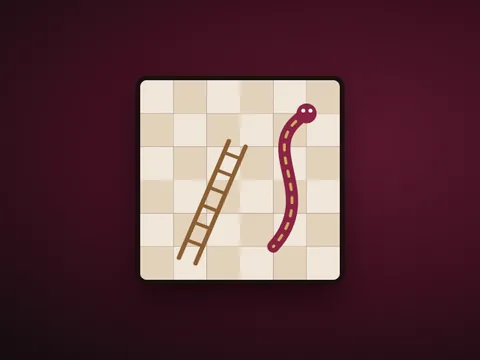
Snakes and Ladders
The classic family race to square 100. Climb the ladders and dodge the snakes, with up to four players.

Ludo
Race your four counters round the board and home. Capture rivals and hide on the safe stars.
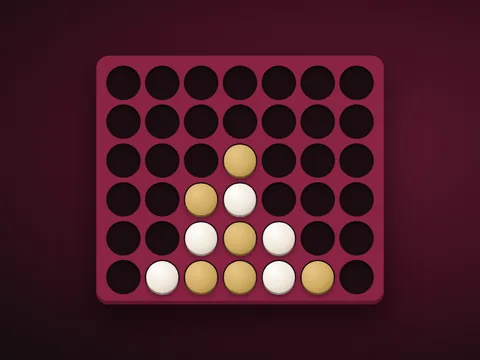
Four in a Row
Drop your discs and line up four before your opponent: across, down or diagonally. Plus a daily puzzle.
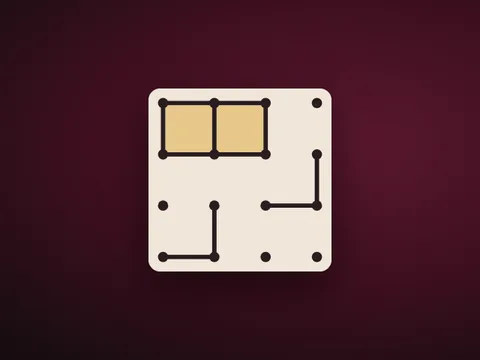
Dots and Boxes
Take turns joining dots. Close the fourth side of a box to claim it and go again. Most boxes wins.
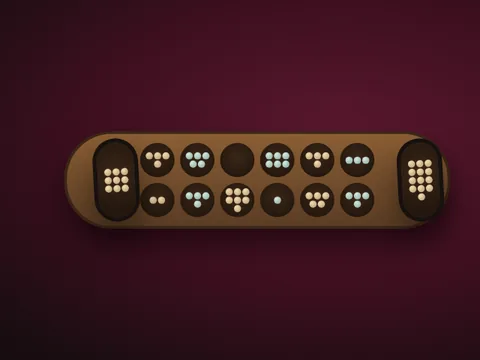
Mancala
The ancient counting game with Kalah rules. Sow seeds, chain extra turns and capture your opponent’s seeds.
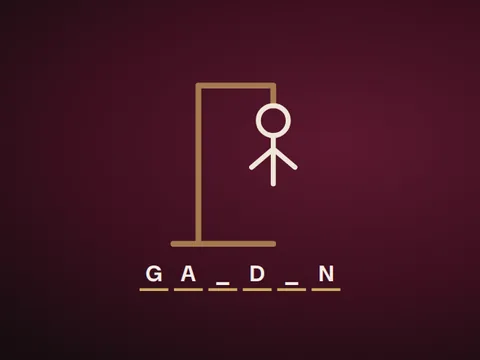
Hangman
Guess the hidden word one letter at a time before the drawing is done. Themed words, or a friend picks.
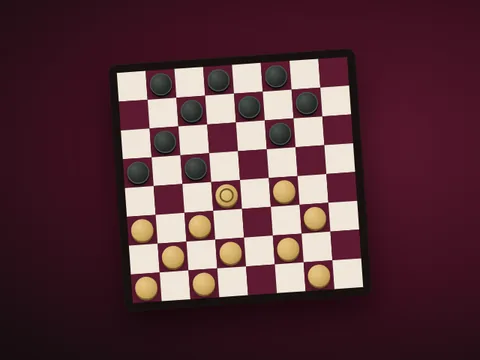
Checkers
Jump your opponent’s pieces, crown kings and clear the board. Captures are compulsory.
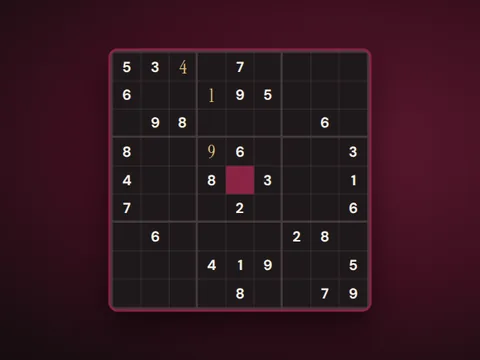
Sudoku
Fill every row, column and box with 1 to 9. Easy to hard puzzles, notes, hints and a daily puzzle.

Tower of Hanoi
Move the whole tower to another peg, one disc at a time, never putting a big disc on a small one.
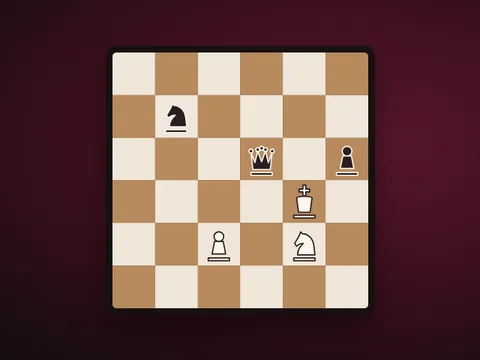
Chess
The world’s great strategy game, with every rule. Play the computer at three levels or a friend.
Questions
What is a good first board game for a young child?
Snakes and Ladders is ideal: no choices to make, lots of counting, and everyone has the same chance to win. Four in a Row is a great first strategy game.
Are these games free and safe for kids?
Every game here is free to play in a browser with no download and no sign-up needed. There’s no chat with strangers: children play against the computer or with someone on the same device.
At what age can a child learn chess?
Many children can learn how the pieces move from around six or seven, and some earlier. Short lessons, one piece at a time, work best.
Which games help with maths?
Mancala is excellent for counting and mental arithmetic, and Snakes and Ladders practises numbers to 100. Sudoku builds logical thinking.